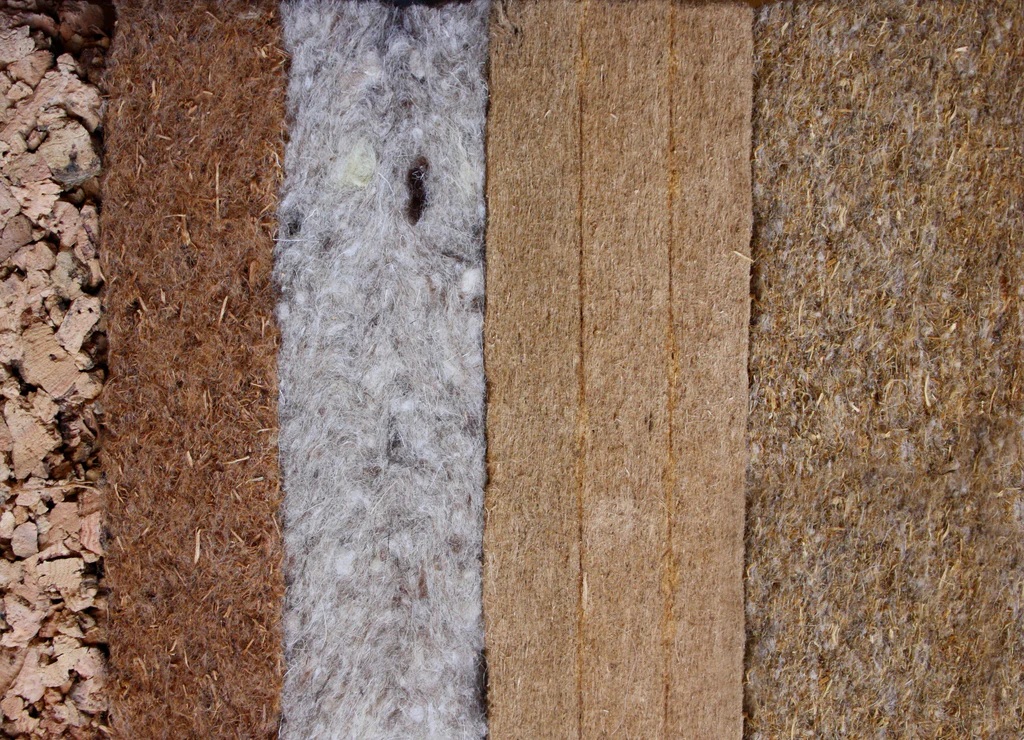
The goal of insulation is to save energy, but the truly sustainable choice goes a step further: it reduces the carbon footprint of your home and minimizes the environmental impact of the materials themselves.
If you are an eco-conscious homeowner, choosing green insulation means looking beyond the R-Value to consider two critical factors:
- Recycled Content: How much of the material is diverted from landfills (e.g., recycled paper, denim, or glass)?
- Embodied Carbon: How much energy and carbon dioxide were required to manufacture, transport, and install the material?
Fortunately, several high-performing options prove you don’t have to sacrifice efficiency for sustainability. Here is a comparison of the leading eco-friendly and recycled insulation materials:
📰 The Recycled Champion: Cellulose Insulation
Cellulose is arguably the most established and popular eco-friendly insulation in North America, and for good reason.
| Feature | Details |
| Material Source | Up to 85% recycled paper, primarily old newspapers and cardboard. |
| Embodied Carbon | Very low. The manufacturing process is low-energy and uses readily available materials. |
| Performance | Excellent. When installed as dense-pack (especially in wall cavities), it excels at air sealing and can fill small, irregular gaps seamlessly. |
| Drawbacks | Can settle over time if not installed correctly as dense-pack. Requires chemical treatment (typically borate) for fire and pest resistance. |
| Best For | Attic floors (loose-fill) and retrofitting insulation into existing wall cavities. |
👖 Upcycled Fabric: Recycled Denim (Cotton) Insulation
Imagine old blue jeans keeping your house warm! This premium option diverts textile waste from landfills and offers an exceptionally clean, non-toxic installation experience.
| Feature | Details |
| Material Source | Primarily recycled cotton and post-industrial denim scraps (often 80% or more recycled content). |
| Embodied Carbon | Low, as it is made from repurposed fibers. |
| Performance | Comparable R-value to traditional batts. Offers excellent sound-dampening properties. |
| Drawbacks | Generally more expensive than fiberglass or cellulose. Availability can be limited, and installation may require special tools for clean cuts. |
| Best For | Walls and soundproofing projects where installers prioritize non-irritating materials. |
🐑 The Natural Regulator: Sheep’s Wool Insulation
Sheep’s wool is a truly natural, renewable resource that offers unique benefits beyond thermal resistance, making it ideal for certain climates and building types.
| Feature | Details |
| Material Source | Sheared sheep’s wool, a rapidly renewable resource. |
| Embodied Carbon | Very low. |
| Performance | Excellent. Wool is naturally breathable and can absorb and release moisture without losing its R-value, helping to regulate indoor humidity. |
| Drawbacks | Higher upfront cost than most alternatives. Must be treated to prevent pests. |
| Best For | Buildings in humid climates or older homes that need a breathable insulation material to manage moisture. |
🌳 Other Sustainable Options
| Material | What It’s Made Of | Key Eco-Benefit | Best Use Case |
| Wood Fiber | Leftover wood chips and sawmill waste. | Carbon-negative, biodegradable, and renewable. | New construction and exterior insulation for optimal thermal mass. |
| Mineral Wool | Molten natural rock and recycled industrial slag. | Excellent fire resistance and high recycled content (though production is energy-intensive). | High-heat areas and fire-rated assemblies. |
| Cork | Bark from cork oak trees (harvested without harming the tree). | Renewable, naturally resistant to mold/pests, and provides sound dampening. | Rigid boards for walls, floors, and roofs. |
⚖️ Making the Right Sustainable Choice
Choosing eco-friendly insulation is a decision that impacts your wallet, your home’s performance, and the planet. Here are a few questions to guide your decision:
- What matters most to you?
- Lowest Carbon Footprint? Choose Cellulose or Hemp for low embodied energy.
- Safest Installation? Choose Denim or Sheep’s Wool (non-irritating).
- Moisture Control? Choose Sheep’s Wool or Wood Fiber.
- What part of the home are you insulating?
- Existing Walls (Retrofit)? Dense-pack Cellulose is the easiest to install through small holes.
- Attic Floor (Open Space)? Loose-fill Cellulose offers the best coverage for the price.
By choosing recycled and natural insulation materials, you are not just insulating your home; you are investing in a healthier living environment and contributing to the circular economy—a true win for sustainability.